
Exteriors Built to Handle Weather Exposure
Siding in Buzzards Bay for homes requiring replacement of aging, damaged, or deteriorating exterior cladding that no longer protects structure
When siding shows rot at the bottom edges, panels warp away from the wall, or paint peels no matter how often it's reapplied, the material has reached the end of its functional life. Siding installation provided by Benjamin Home Improvement replaces compromised cladding with durable materials installed to prevent water intrusion, resist wind-driven rain, and maintain appearance over decades of exposure in Buzzards Bay and surrounding coastal communities. New siding changes how your home looks from the street and restores the weatherproof envelope that keeps insulation dry and framing protected.
Siding installation involves removing old material, inspecting and repairing sheathing or framing if moisture has caused damage, installing a weather-resistant barrier, and fastening new siding panels with proper overlap, flashing, and clearance from grade. Trim, corners, and penetrations require detailing that prevents water from reaching the structure behind the cladding.
Request a free estimate to review siding options and receive a detailed proposal based on your home's configuration.
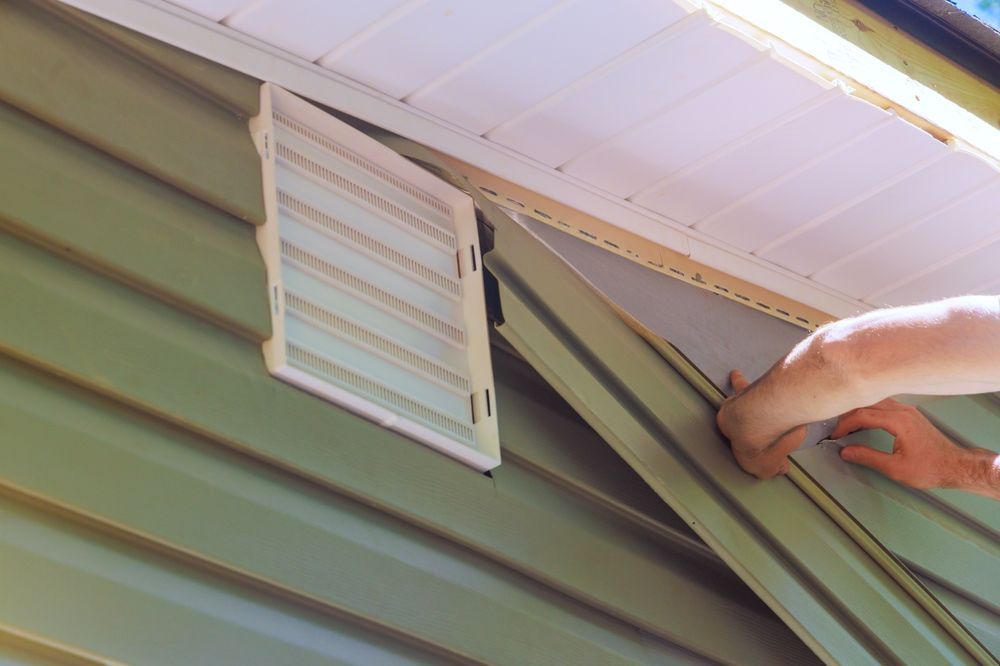
What Changes After Siding Replacement
Siding replacement begins with material selection based on maintenance preferences, appearance, and budget, followed by removal of existing cladding down to the sheathing layer. Damaged sheathing is replaced, a weather-resistant barrier is installed, and flashing is positioned around windows, doors, and roof intersections before new siding goes up. Fasteners are placed according to manufacturer specifications to allow for expansion and contraction without buckling or pulling loose.
Once siding is installed, exterior walls shed water instead of absorbing it, gaps and drafts disappear, and the home's profile appears uniform without warped or missing panels. You'll notice that trim and corner boards fit tightly, windows are properly flashed, and the finish no longer shows the streaking or discoloration that marked the old material. Curb appeal improves immediately, and the envelope protection means insulation stays dry and heating costs stabilize.
Material choice affects long-term maintenance requirements, with fiber cement siding offering rot resistance and dimensional stability in humid coastal climates, while vinyl siding provides a low-maintenance option that doesn't require painting. Both materials come in profiles and colors that complement traditional New England architecture, and both are installed with vented starter strips and J-channels that manage moisture and allow airflow behind the cladding.
Answers to Frequent Service Questions
Siding replacement is a significant investment, and homeowners often want to understand material differences, installation details, and what to expect during and after the project.
What causes siding to fail prematurely?
Poor installation that traps moisture, lack of clearance from grade allowing ground contact and rot, missing or improperly installed flashing, and inadequate ventilation behind the cladding all shorten siding life and lead to early replacement.
How does fiber cement siding perform in coastal areas like Buzzards Bay?
Fiber cement resists moisture absorption, doesn't rot or warp, and holds paint finishes longer than wood, making it well-suited to the humidity and salt air that accelerate deterioration in other materials.
When should siding be replaced rather than repaired?
Replacement makes sense when more than 30 percent of the surface shows damage, when underlying sheathing has rotted, or when repeated repairs haven't stopped water infiltration and the cladding system has fundamentally failed.
What does licensed and insured installation include?
Licensed contractors carry liability insurance that protects you from claims if someone is injured during the project, and they pull permits that ensure work is inspected and meets local building codes for fire resistance and wind load requirements.
How long does siding installation typically take?
Depending on home size and complexity, most siding replacement projects are completed in one to two weeks, with weather delays possible if heavy rain or high winds prevent safe work on ladders and scaffolding.
Benjamin Home Improvement provides siding installation backed by experience and attention to detail that ensures your home's exterior performs as intended. Arrange a free estimate to discuss material options and receive a comprehensive project proposal.