
Boundaries That Define and Secure Property
Fence Installation in Buzzards Bay for residential properties needing privacy screening, security perimeters, or clear property line definition
Property lines become clear and enforceable when marked by fencing that establishes boundaries, controls access, and provides visual separation from neighboring lots. Benjamin Home Improvement installs fencing designed to complement residential architecture across Buzzards Bay and nearby towns, using materials and construction methods that withstand wind exposure, soil conditions, and the seasonal freeze-thaw cycles that destabilize poorly installed posts. Whether you need privacy along a rear yard, decorative fencing for a front boundary, or security enclosures for pools and play areas, the installation process involves setting posts to proper depth, ensuring alignment and level, and fastening rails and pickets with hardware that resists corrosion in coastal humidity.
Fence installation begins with layout and post placement based on property lines, grade changes, and any easements or setback requirements. Posts are set in concrete or gravel depending on soil drainage, rails are attached at consistent height, and pickets or panels are installed plumb and evenly spaced to produce a uniform appearance.
Request a free quote to review fencing options and receive a detailed estimate for your property layout.
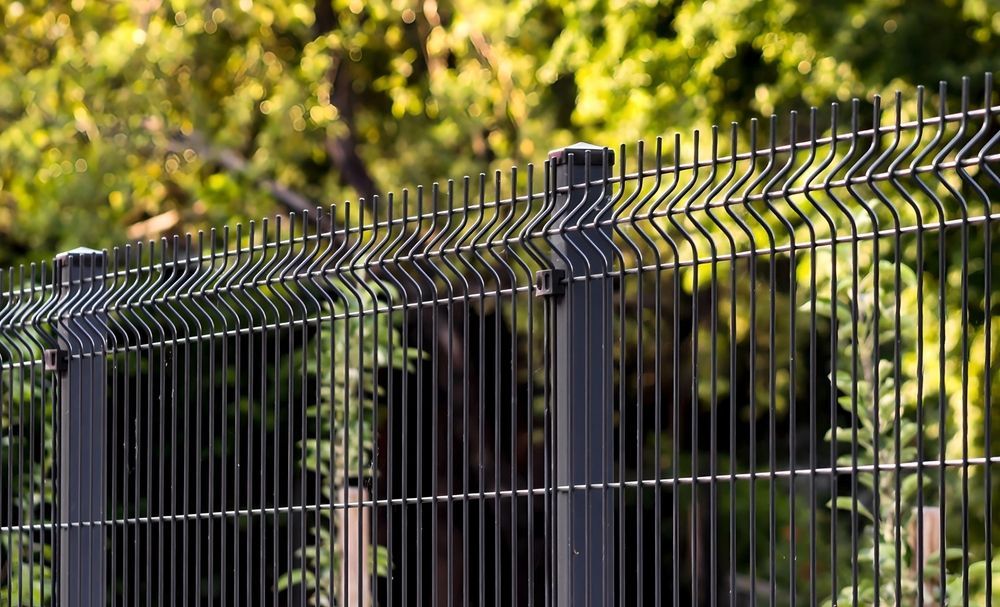
What You Notice Once Fencing Is Complete
Fence installation involves selecting materials that match your property's style and functional needs, then setting posts in holes deep enough to resist frost heave and wind pressure. Rails are fastened with galvanized or stainless hardware, and pickets or panels are aligned to follow grade changes without gaps at the bottom or uneven tops. Gates are hung with hinges and latches that operate smoothly and securely.
After the fence is installed, your yard has defined edges that clearly separate your space from adjacent properties, foot traffic is redirected to designated entry points, and pets or children are contained within secure boundaries. Privacy screening blocks sightlines from neighboring homes, and decorative fencing adds curb appeal without obstructing views you want to preserve. Posts remain plumb season after season because they're set below frost depth, and the structure resists sagging or leaning even when wind loads increase during storms.
Material choice affects maintenance, with vinyl fencing requiring only occasional washing while wood fencing needs periodic staining or sealing to prevent weathering and rot. Chain link provides durable security fencing at lower cost, and composite materials combine the appearance of wood with rot resistance and dimensional stability. All options can be configured with gates positioned for convenient access and equipped with lockable hardware where security matters.
What Property Owners Usually Ask
Fence installation raises questions about property boundaries, material longevity, and local regulations that affect design and placement.
What determines where a fence can be installed?
Local zoning ordinances specify setback distances from property lines, height limits for front and rear yards, and permit requirements, so checking regulations before installation prevents compliance issues and disputes with neighbors or town officials.
How deep should fence posts be set in Buzzards Bay?
Posts should extend at least 36 inches below grade to reach below the frost line, which prevents heaving and keeps the fence stable through freeze-thaw cycles common in Massachusetts winters.
When is a permit required for fence installation?
Many towns require permits for fences exceeding certain heights or located within front yard setbacks, and pool enclosures typically must meet specific code requirements for height, gate latches, and spacing to prevent child access.
What distinguishes durable fence construction from installations that fail early?
Quality fencing uses posts set to proper depth in concrete, galvanized or coated fasteners that resist rust, and rails attached with through-bolts or heavy-duty brackets rather than nails that work loose over time.
How does soil type affect fence installation?
Sandy or loose soils common in coastal areas require larger post holes and concrete footings to provide adequate holding power, while clay soils may need gravel backfill to prevent water from pooling around posts and accelerating rot.
Benjamin Home Improvement completes fence installations with craftsmanship and attention to alignment, level, and secure post setting. Schedule a site visit to discuss your fencing needs and receive a comprehensive project estimate.